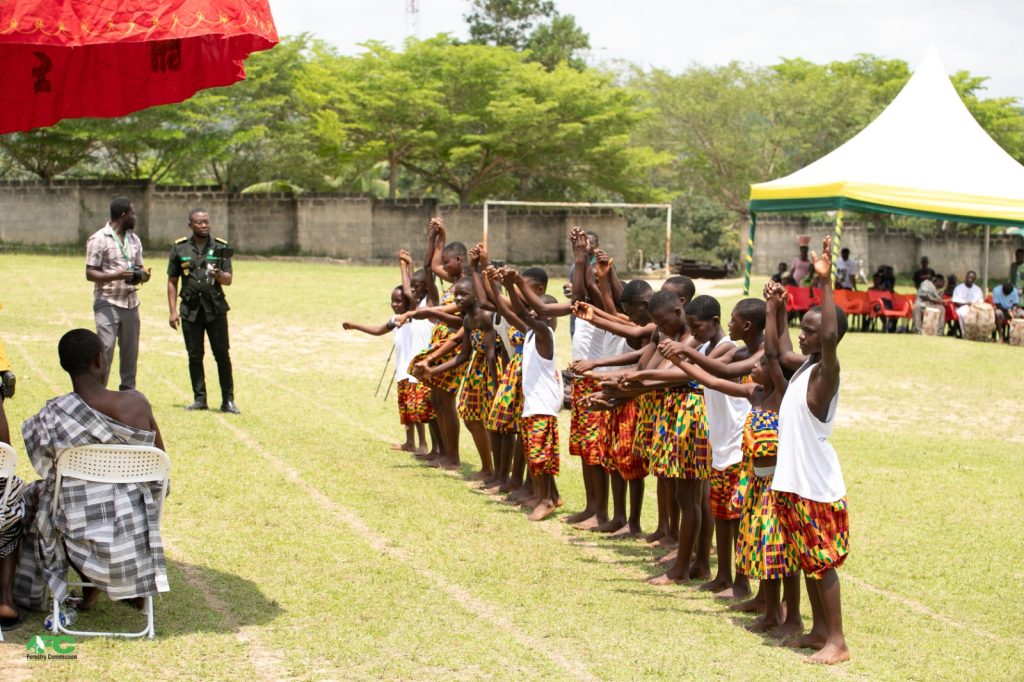
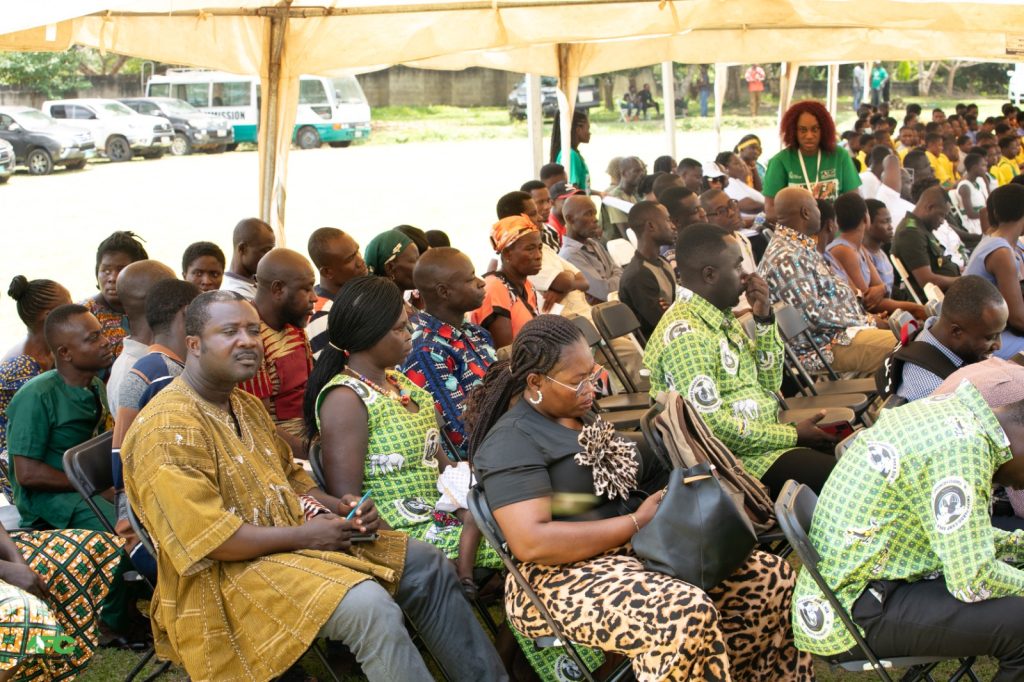
The Wildlife Division (WD) of the Forestry Commission (FC) has commemorated World Wildlife Day 2026 with a durbar at Abrafo, near the Kakum National Park (KNP) in the Central Region.
This year’s theme, “Medicinal and Aromatic Plants: Conserving Health, Heritage and Livelihoods”, emphasised the essential role medicinal and aromatic plants (MAPs) play in traditional medicine, health care and local economies. March 3, every year is celebrated as World Wildlife Day (WWD) to draw attention to the conservation of the world’s fauna and flora species.
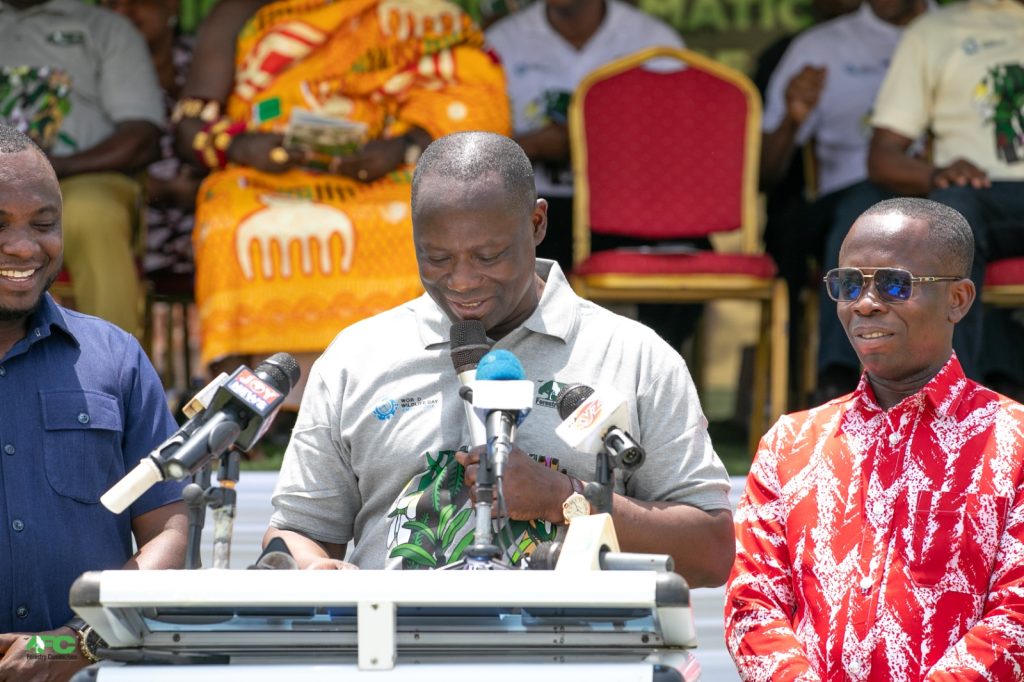
The Minister for Lands and Natural Resources, Hon. Emmanuel Armah Kofi-Buah, MP, delivering the keynote address for the event noted that, MAPs have been the foundation of healthcare systems across our communities over the years. “Indeed many modern medicines are derived from plants that were first used in traditional medicine. They represent knowledge passed down through generations, knowledge safeguarded by traditional authorities, herbalists, and local communities”, he explained.
He pointed out that government was committed to ensuring that the nation’s forest and wildlife resources are conserved through programmes and policies such as the drafting of a Legislative Instrument (LI) to operationalise the Wildlife Resources Management Act, 2023 (Act 1115); implementing the Tree for Life Reforestation Initiative; tackling head on, illegal mining activities to protect forest reserves and water bodies; and supporting the Forestry Commission with logistics to protect and enforce the laws on forest and wildlife management.
“The government remains firmly committed to biodiversity conservation through the implementation of national forest and wildlife policies, enforcement of environmental regulations, restoration of degraded landscapes, strengthening protected areas management, promoting research and sustainable commercialisation of non-timber forest products”, the Lands and Natural Resources Minister and Member of Parliament for Ellembelle Constituency affirmed.
Hon. Kofi-Buah also noted that the medicinal plant sector is a billion-dollar green economy that can provide decent jobs for our youth and women, and we must move from being harvesters of raw materials to becoming innovators in value-addition. He disclosed that for this year, 30 million trees will again be planted across the country during the Tree for Life Reforestation Initiative event.
He urged participating students to see themselves as future custodians of the land. “When you see a tree, do not see wood; see oxygen, see medicine, see life. Under the “One Child, One Tree” policy, we are giving you the opportunity to plant a legacy”, he added.
The Chairman of the Forestry Commission Board, Mr Isaac Essien Esq., said that most medicinal and aromatic plants are located in forests and protected areas and this makes their protection and conservation central to the Forestry Commission’s mandate.
In that regard, “the Forestry Commission continues to enforce measures against illegal mining, illegal logging, bush burning, overharvesting and unsustainable agricultural practices that threaten our forest and wildlife. As well as promoting and establishing Community Resource Management Areas (CREMAs), plantation development and sustainable harvesting of non-timber forest products, including medicinal plants”, he explained.
Furthermore, the Board Chairman said the FC was committed to promoting local cultivation of MAPs and will encourage private sector investments, and support investors and farmers with technical advice.
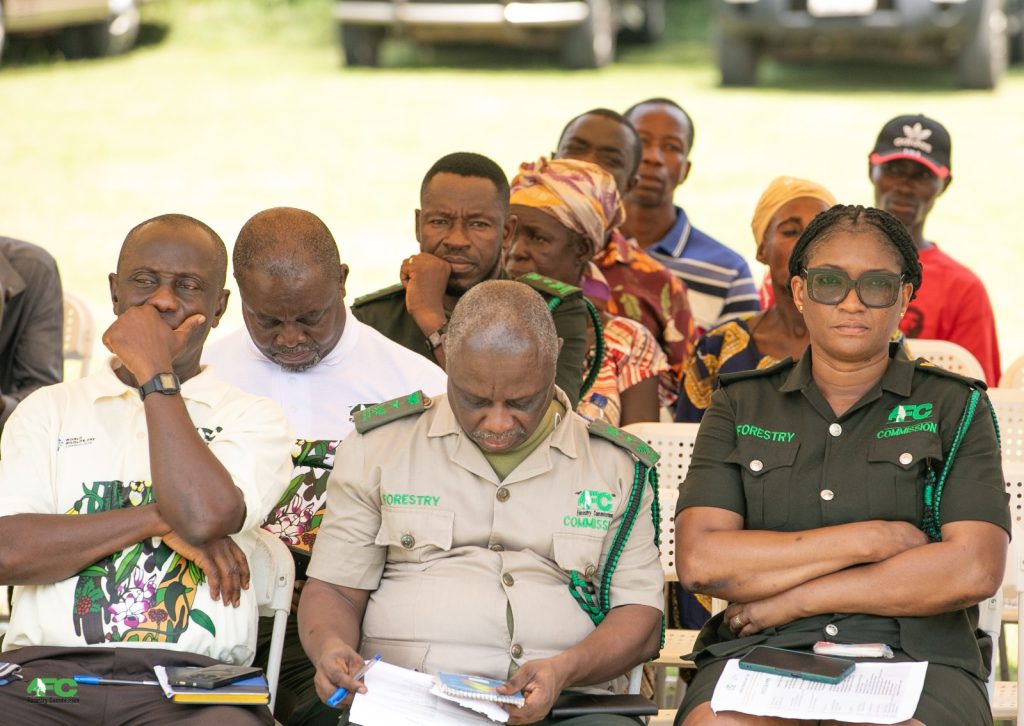
The programme also had in attendance the Chief Executive of Forestry Commission, Dr Hugh C. A. Brown, other FC Board Commissioners, Traditional Authorities, District Chief Executives, Directors, Managers, Park Managers and staff of FC, Heads of Ministries, Departments and Agencies, the Security Services, Civil Society Groups/NGOs, and several others.
The Gyasehene of the Denkyira Traditional Area, Nana Siaw Panyin III, who stood in as the event’s Chairman for the Omanhene of the Denkyira Traditional Area, Odeefour Boa Amponsem IV, urged citizens to eschew negative practices that destroy our forest reserves, including MAPs, and prioritise the culture of tree planting to conserve them, together with other natural resources.
The District Chief Executive of the Twifo Hemang Lower Denkyira Assembly, Hon. Patrick Fiable, who delivered the welcome address on behalf of the Central Regional Minister, Hon. Ekow Panyin Okyere Eduamoah, said the Central Regional Coordinating Council (CRCC) will support initiatives that promote wildlife conservation, including MAPs, and programmes of the WD to preserve the Kakum National Park for the present and future generations.
The Executive Director of the Wildlife Division of the Forestry Commission, Dr Joseph Boakye Esq., explained that Kakum National Park was chosen for the celebration because it is the living storehouse of MAPs that have supported health, culture, and livelihoods in the Central Region for generations.
He said the Division was committed to the protection of MAPs through effective protection of national parks and reserves, promotion of sustainable harvesting and regeneration practices, supporting community-based conservation initiatives and enforcing wildlife and forest laws, among others.
Dr Boakye thanked the fringe communities of the Park, for their stewardship and cooperation to the Park’s conservation over the years, as well as the rangers and frontline staff of the Wildlife Division who work tirelessly to protect KNP and other protected areas across the country.
As part of the celebration, a Quiz Competition was organised among three local senior high schools; Wesley Girls, Edinaman and Twifo Praso Senior High Schools. Wesley Girls came first with 43 points, and was awarded GHS 10,000.00 cash prize, a plaque, certificate of participation, branded exercise books and T-shirts. Twifo Praso, with 42 points came second, and received GHS 5,000.00 cash, a plaque, certificate of participation and souvenirs; while Edinaman with 23 points, the third, received GHS 3,000.00 cash, a plaque, a certificate, and souvenirs.
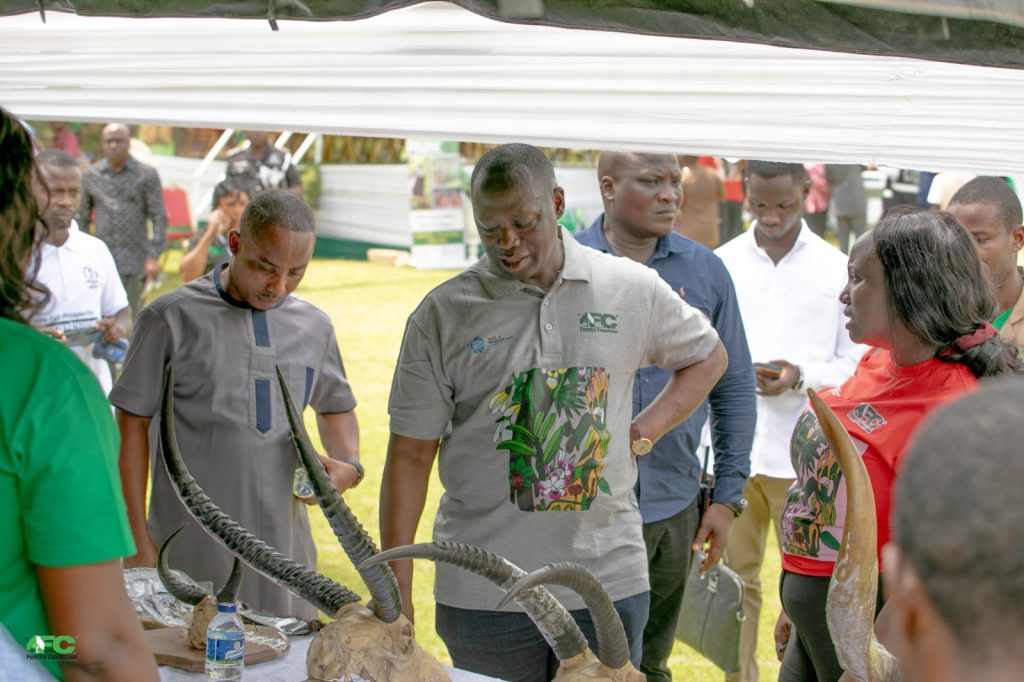
The programme also came with an exhibition and a solidarity message from the Nature Conservation and Research Centre (NCRC), a non-profit organisation focused on the protection of natural, historic and cultural diversity through community-based initiatives