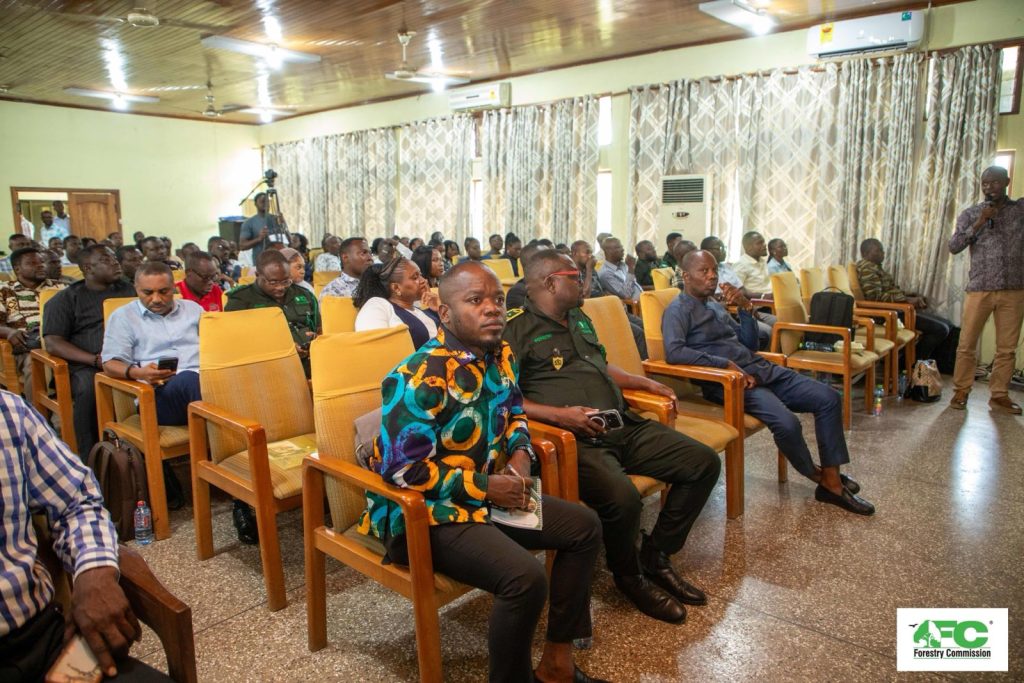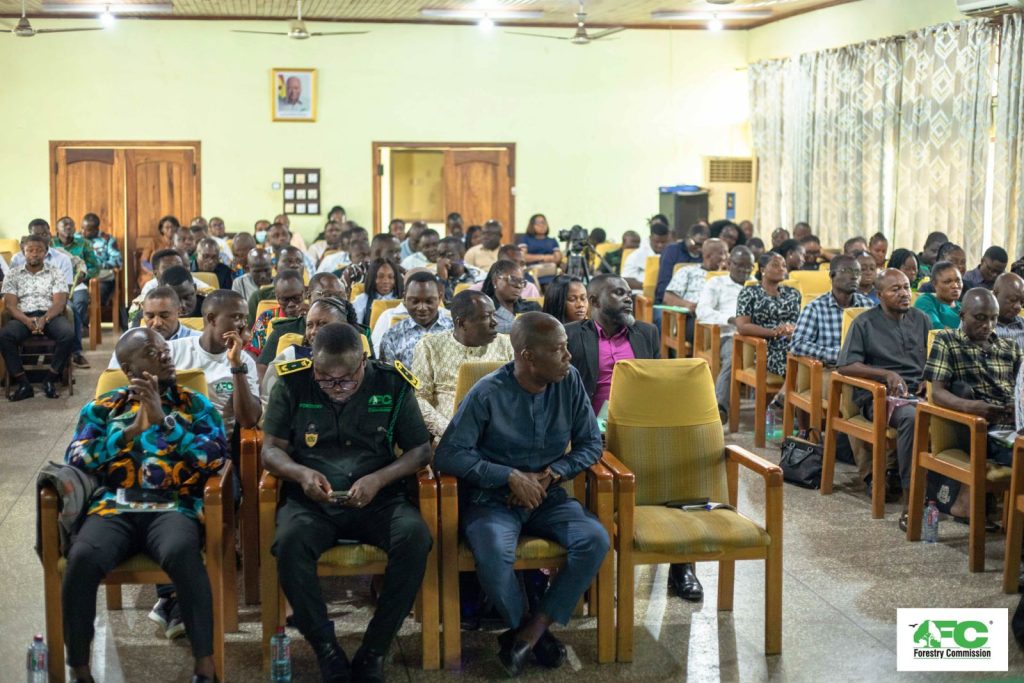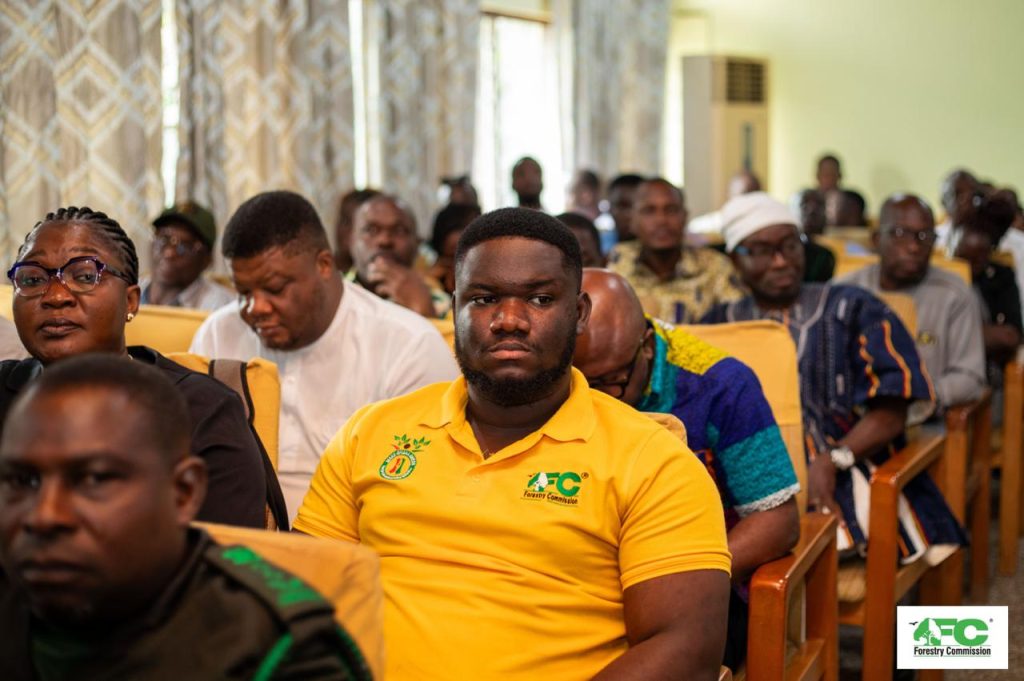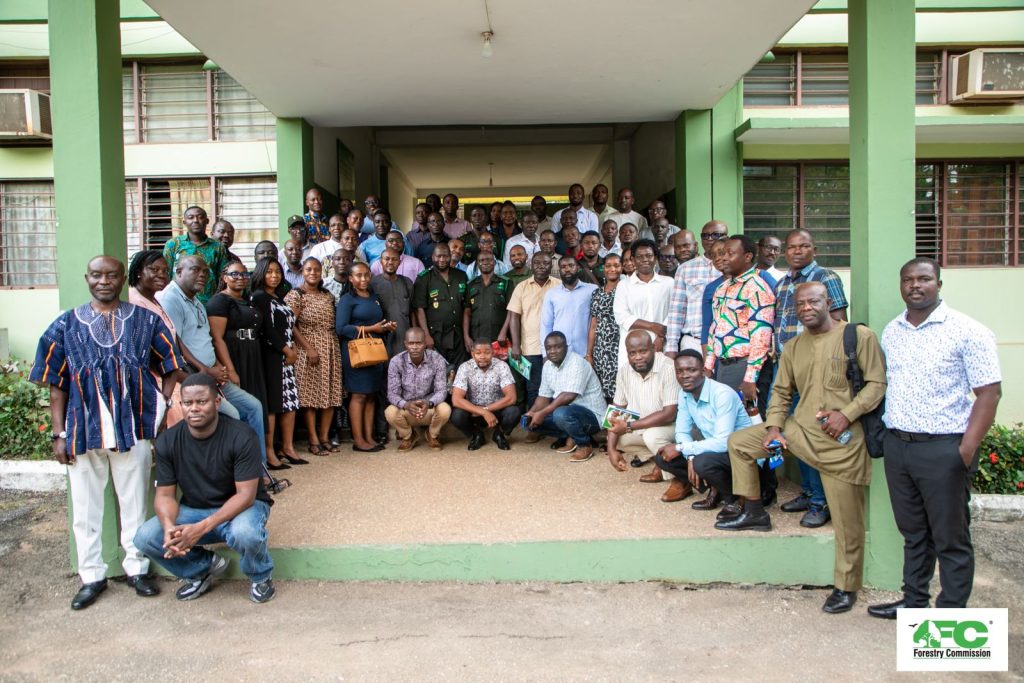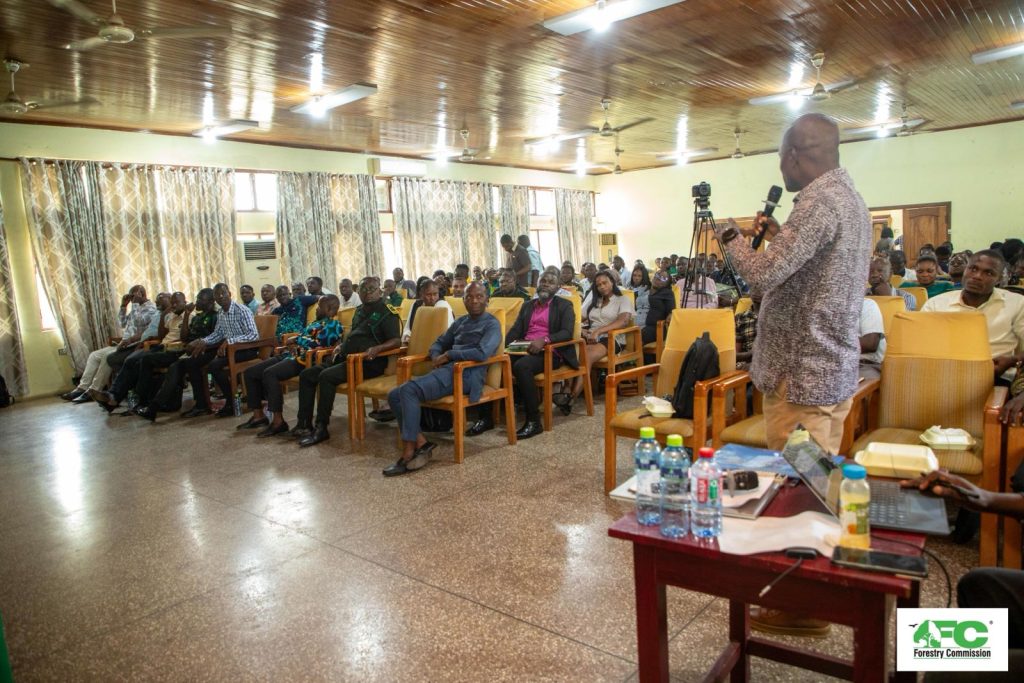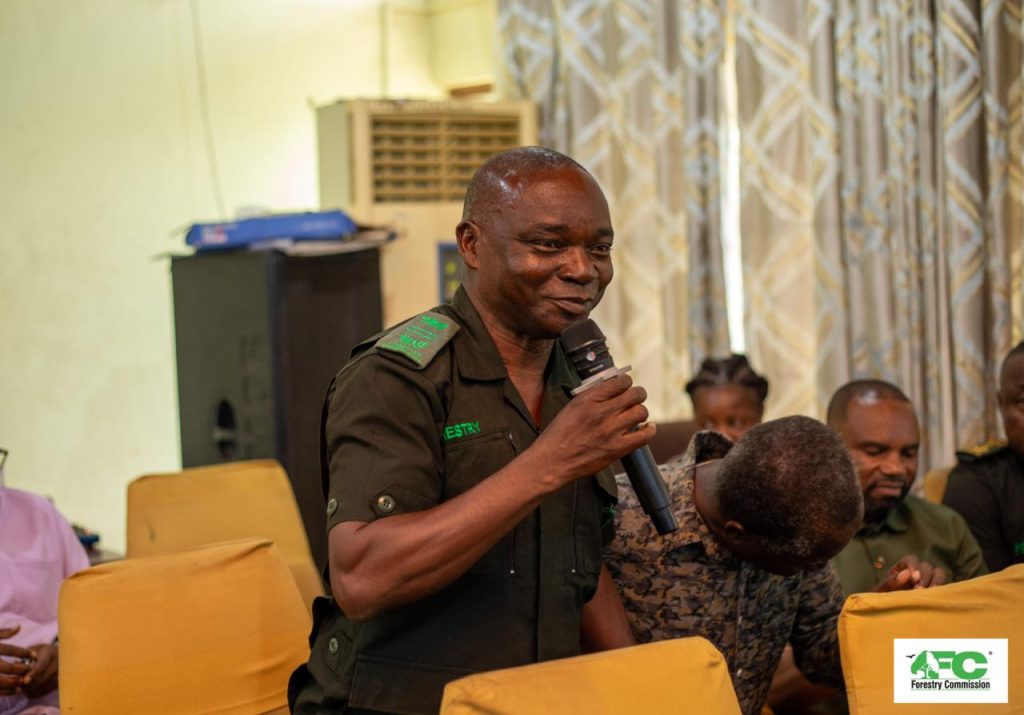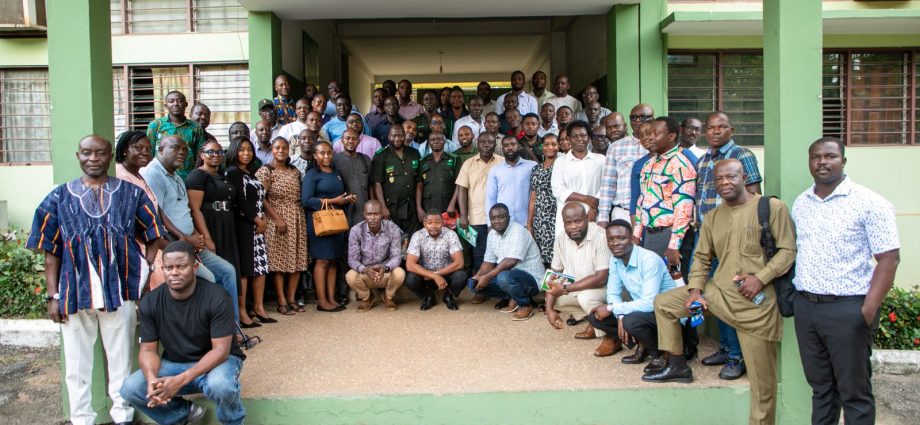
The Forestry Commission (FC), with support from the Foreign, Commonwealth and Development Office (FCDO), has organised a two-day capacity-building programme for Operational Managers and Accounting Officers to enhance their digital competencies on the upgraded integration of SUN Accounting System with the Ghana Wood Tracking and Decision Support System (GWT-DSS).
The training forms part of ongoing efforts to strengthen financial accountability, improve revenue assurance, and enhance operational efficiency through digital transformation. The GWT-DSS, an electronic timber legality assurance and wood-tracking platform, enables Forestry Commission staff, forest managers, mill owners, and wood product exporters to capture and manage operational data in real time. The SUN Accounting System serves as the Commission’s primary financial management platform for processing financial transactions and generating financial reports, while GIFMIS provides the broader government framework for public financial management and reporting.
The integration of these systems establishes a seamless flow of information between operational and financial processes, thereby reducing administrative errors, improving data integrity, and enhancing revenue assurance. A key feature of the integration is the automation of invoicing for Tree Information Forms (TIFs) in real time, eliminating the need for manual intervention.
The training programme, which combined presentations with practical hands-on sessions, was moderated by Mr. Kofi Oduro Boateng, Finance Manager, Forest Services Division (FSD).
Mr. Richard Ninoni Esq., Director of Forestry Commission Training Centre (FCTC), underscored the importance of continuous capacity development and encouraged participants to actively engage in the training and acquire the requisite knowledge and skills needed to manage resources effectively in accordance with established laws, regulations, and approved strategies.
Mr. Rasheed Haruna, Business Analyst, provided participants with an overview of the Ghana Integrated Financial Management Information System (GIFMIS). He explained that GIFMIS is the Government of Ghana’s digital financial management platform designed to support budget preparation and execution, commitment control, payment processing, revenue and expenditure recording and financial reporting across public institutions.
He further indicated that manual cheque processing within government institutions would be phased out in favor of electronic cheque printing through GIFMIS. The GIFMIS is intended to complement and strengthen existing financial systems and urged participants to familiarise themselves with the platform to ensure compliance and avoid possible sanctions.
Mr. Bright Owusu Sekyere, Manager of the Timber Validation Department (TVD), took participants through the SUN-GWT-DSS integration process. He highlighted the critical role of Operational Managers in ensuring that only duly approved TIFs are transmitted to the SUN system for invoicing. According to him, this is essential for maintaining data integrity and ensuring accurate financial transactions.
He also led participants through practical exercises aimed at identifying and correcting common errors associated with log measurements, particularly diameter and height specifications. He concluded by emphasising the need for strong collaboration between managers and accountants, noting that accurate data entry, timely approvals, invoicing; and receipting are fundamental to strengthening accountability, revenue assurance, and service delivery across all districts.
Subsequently, Mr. Rashid Alhassan Twumasi, Deputy Finance Manager (FSD), explained that the upgraded SUN Accounting System now allows users to capture critical stakeholder information, including district assemblies, traditional councils, and stool lands, during the receipting process. He advised Operational Managers to regularly reconcile TIF reports generated from the GWT-DSS with corresponding invoices from the SUN system to promptly identify and address discrepancies.
Addressing participants on financial compliance issues, Mr. Sarkodie Boateng, Audit (TVD), discussed measures aimed at reducing indebtedness among timber companies, the application of interest on outstanding debts after 30 days of invoicing, issues relating to property mark renewals, and the prevention of duplicate billing of TIFs.
On audit preparedness, Mr. Rashid Alhassan Twumasi guided participants through the entire audit process; from preparation and entry meetings to audit workflows and exit meetings; to ensure that managers are adequately prepared for audit exercises and be able to respond effectively to audit findings.
Miss Khadija Mohammed, Deputy Finance Manager, (FSD), concluded by introducing participants to a matrix-based tracking system used to monitor, address, and close identified audit and operational infractions while strengthening management controls. She encouraged participants to adopt similar monitoring mechanisms to enhance efficiency, accountability, and effectiveness in the discharge of their duties.
In his closing remarks, Mr. Kofi Oduro Boateng emphasised that although managers and accountants may have distinct administrative and functional responsibilities, effective collaboration between the two groups remains indispensable to achieving the overall objectives of the Forestry Commission