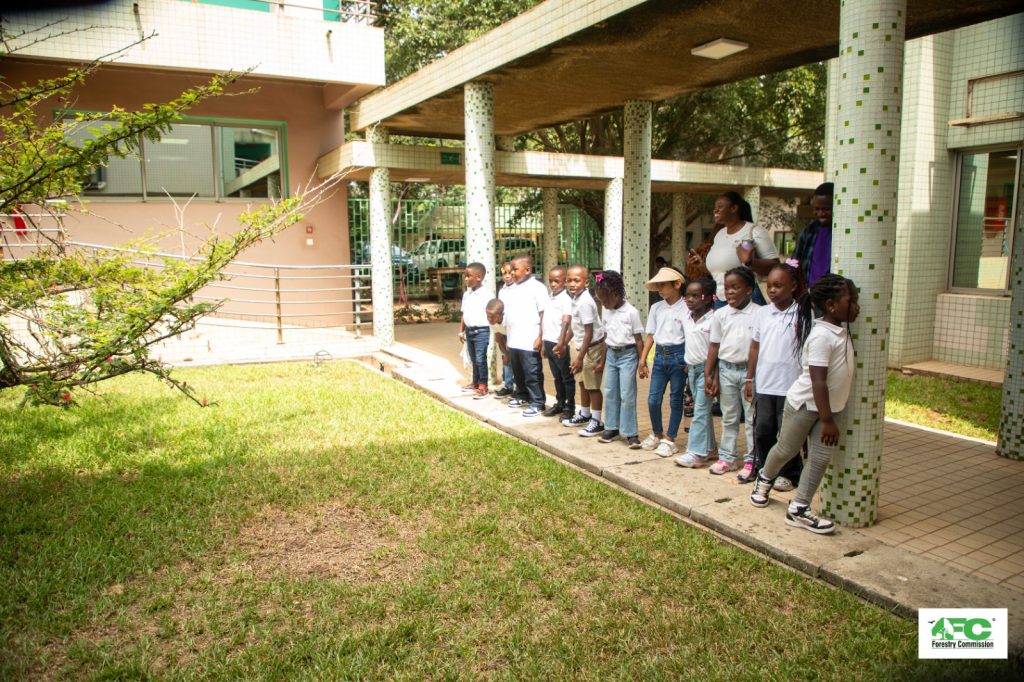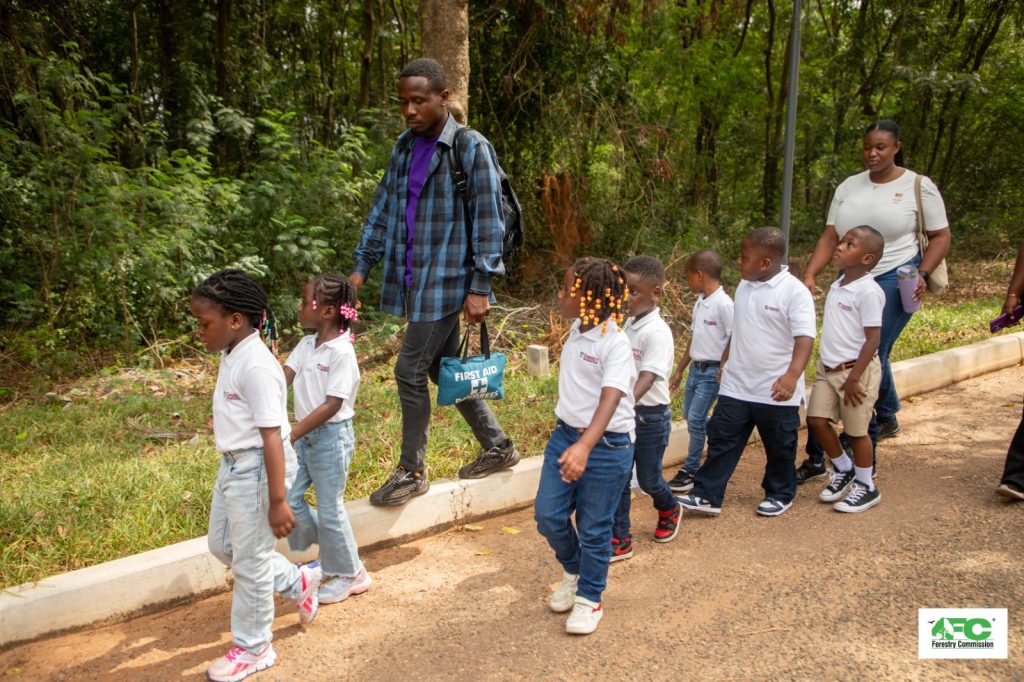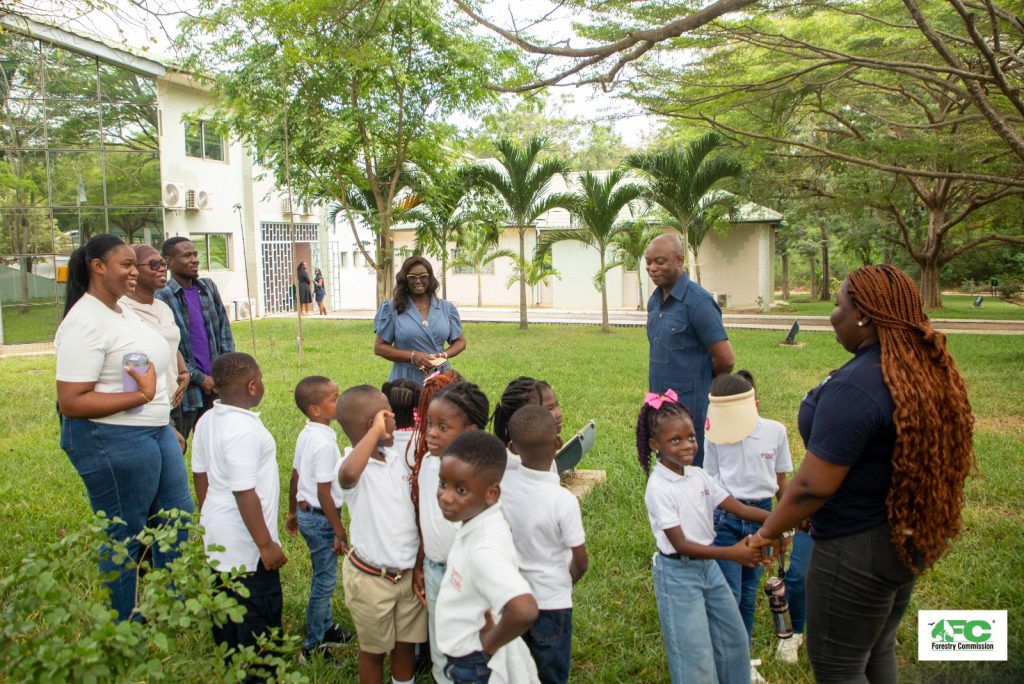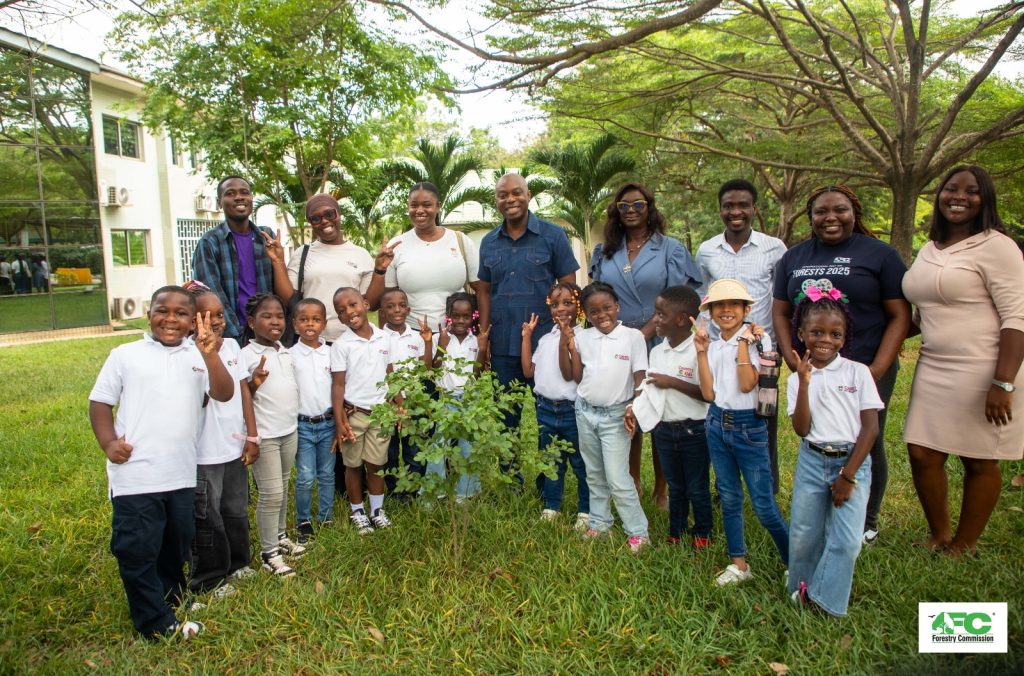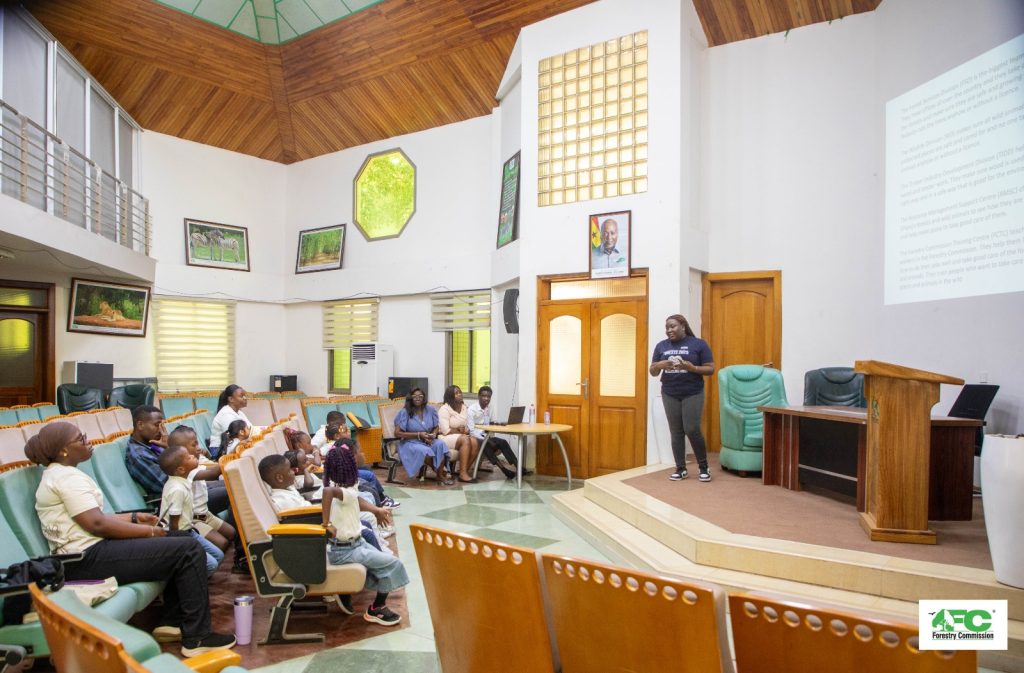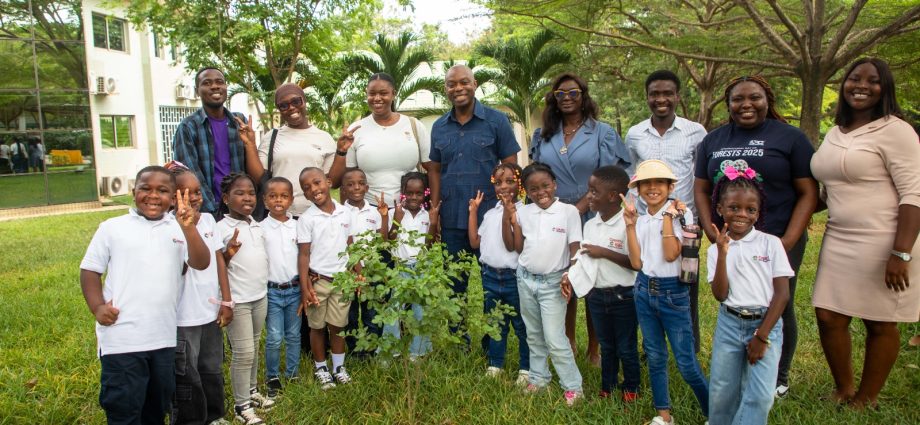
Year One pupils of the Country International School, located at East Legon, Accra, have undertaken an educational visit to the Forestry Commission (FC) as part of efforts to deepen their understanding on forests and wildlife protection.
The experiential learning trip was designed to introduce the young learners to the importance of trees and animal habitats to human sustenance, as well as the critical role the Commission plays in safeguarding Ghana’s forest and wildlife resources.
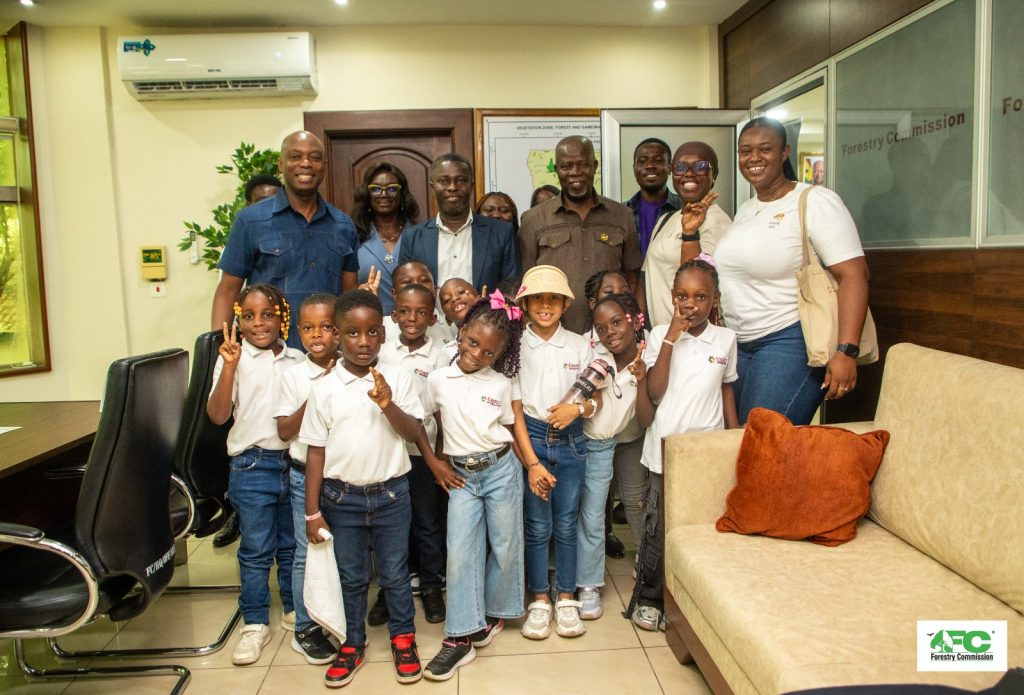
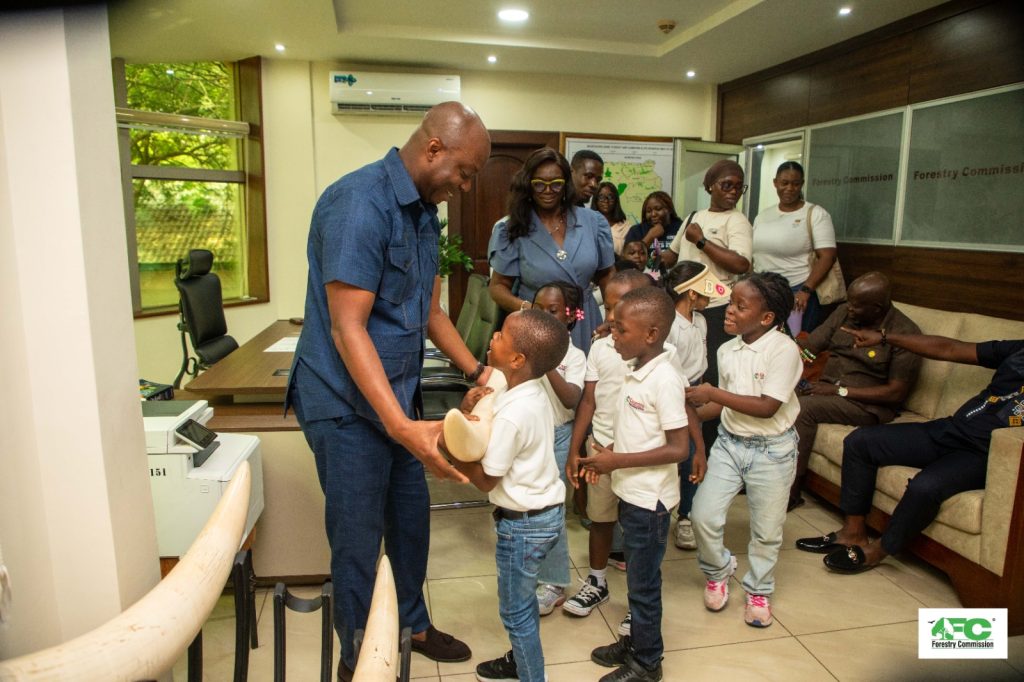
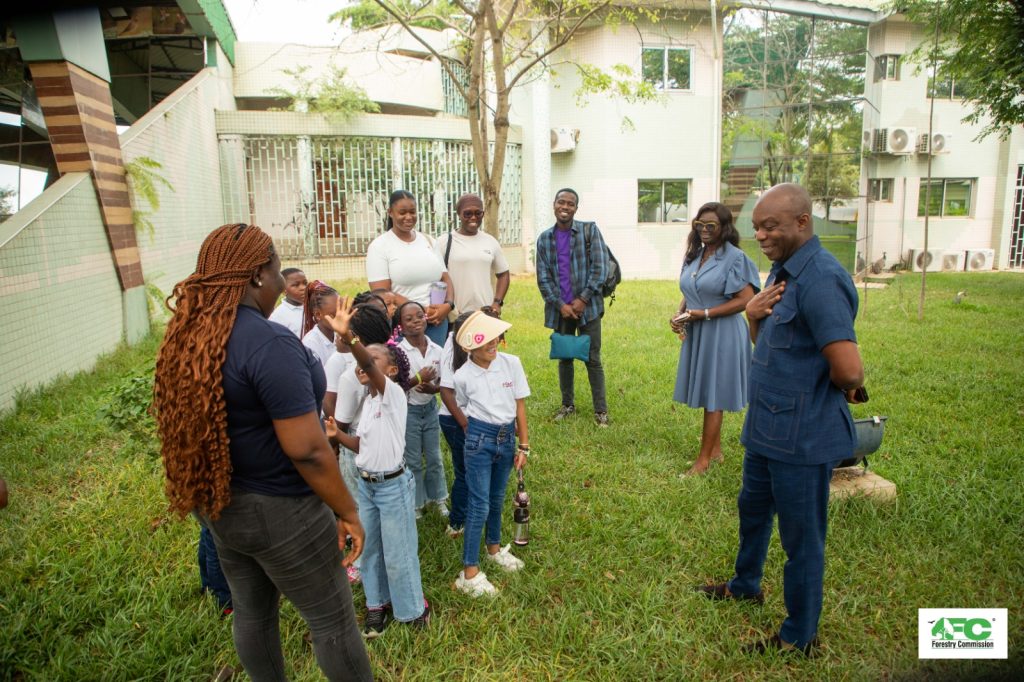
A major highlight of the visit was an interaction with the Chief Executive of the FC, Dr. Hugh Brown, who engaged the pupils in a lively interaction. In a rare and memorable moment for the children, he personally led them to view an exhibit of elephant tusks.
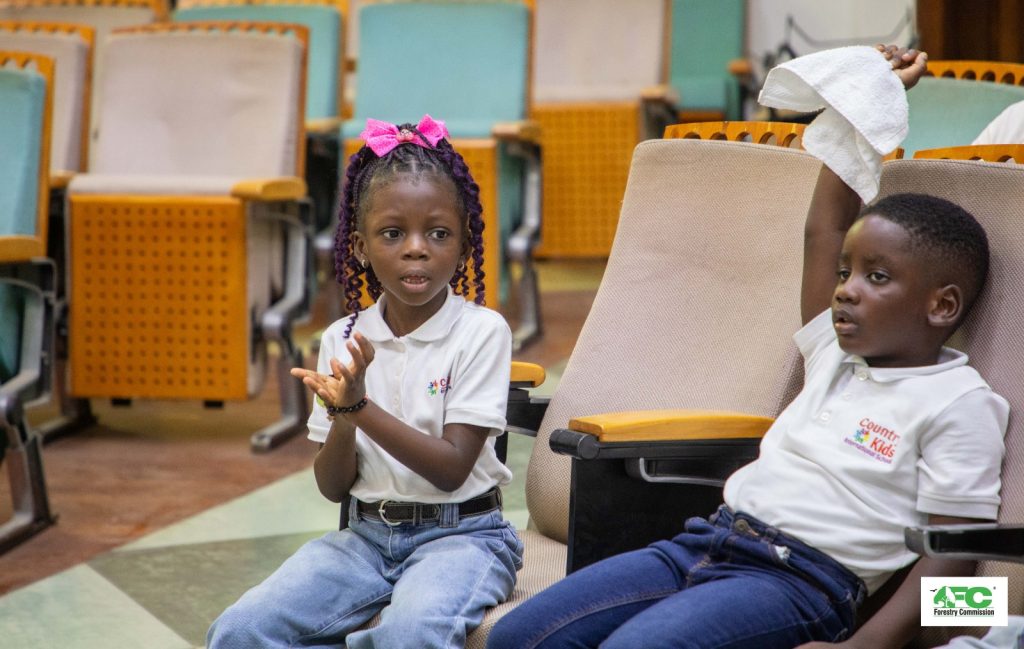
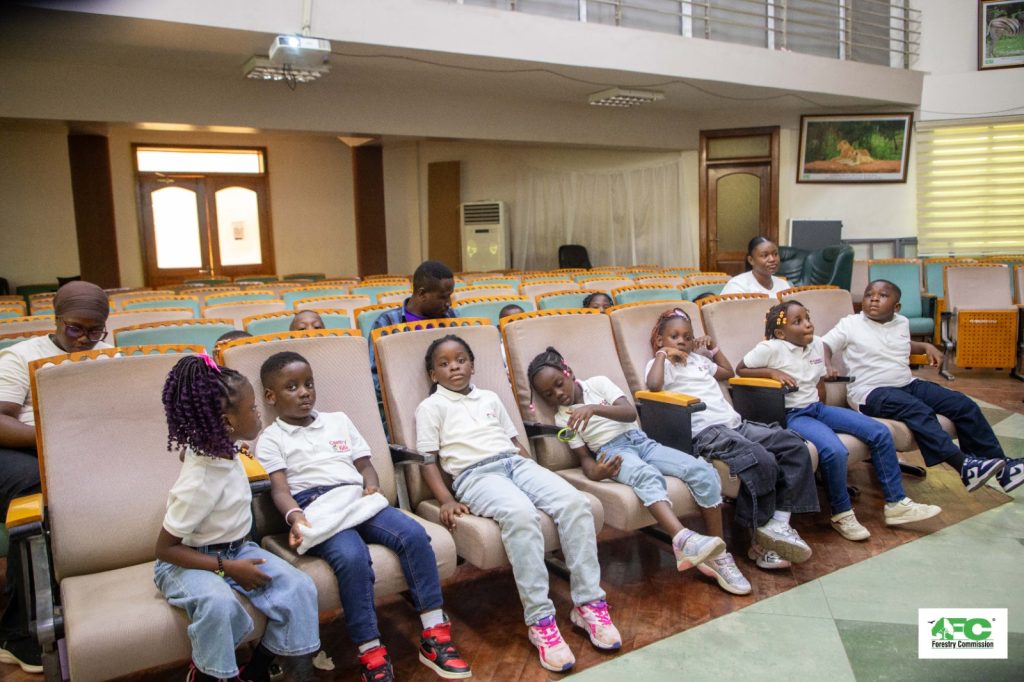
Upon arrival at the Commission’s Head Office, the pupils were warmly received by staff of the Corporate Affairs and Media Relations Unit, who provided an overview of the Institution’s mandate and responsibilities. Through guided explanations, the children were introduced to the Commission’s work in forest conservation and wildlife management. The young learners were treated to a larger exhibition of tortoise shells, duiker horns, skulls and rabbit skins, which also served as an opportunity to explain wildlife protection and the consequences of illegal poaching to the young learners.
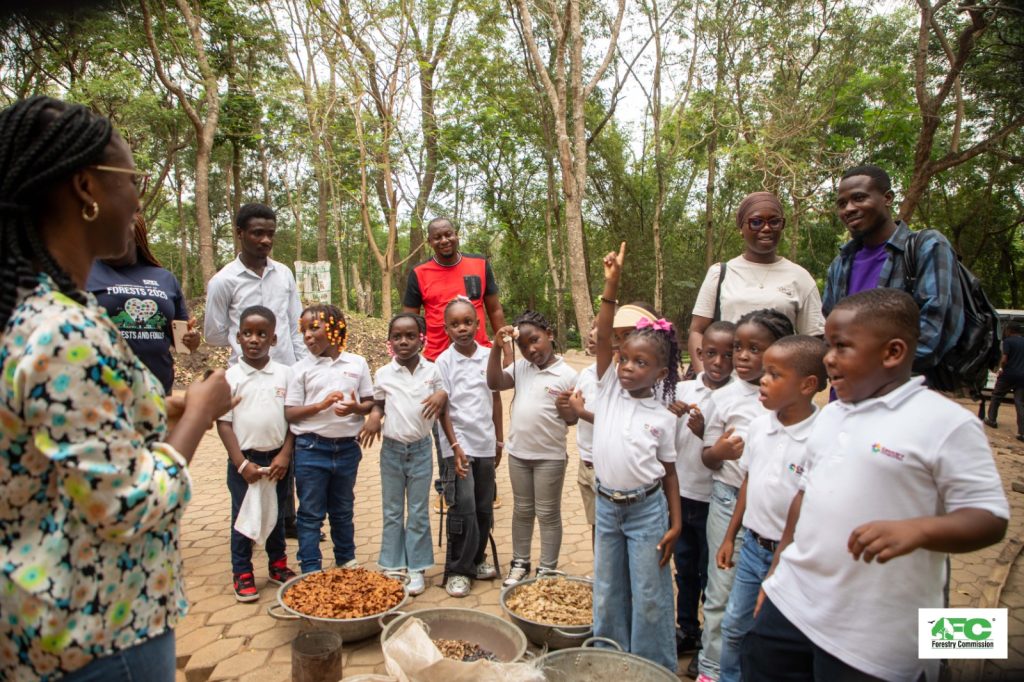
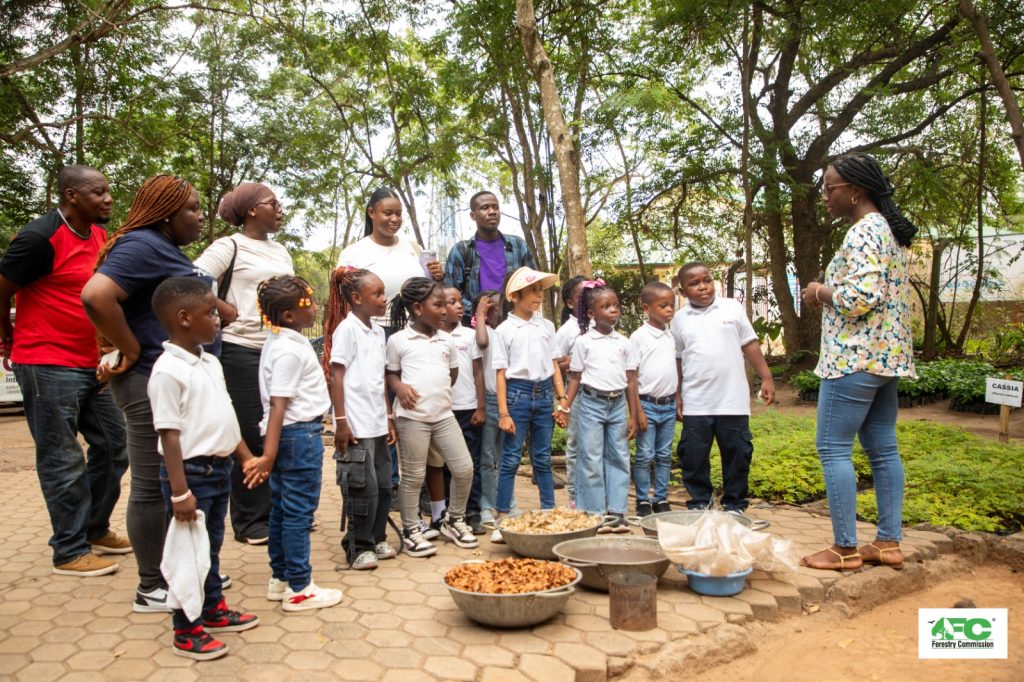
The educational tour continued with visits to the Achimota Central Seedling Nursery and the Accra Zoo, offering practical insights into conservation efforts. At the Nursery, the pupils observed tree seeds and seedlings being nurtured for planting. They learnt how trees are grown from seeds, sources of seeds, proper planting techniques and a variety of seedling species. The learners were gifted a number of tree seedling to plant in their school and expressed eagerness to participate in the 2026 Tree for Life Reforestation Initiative.
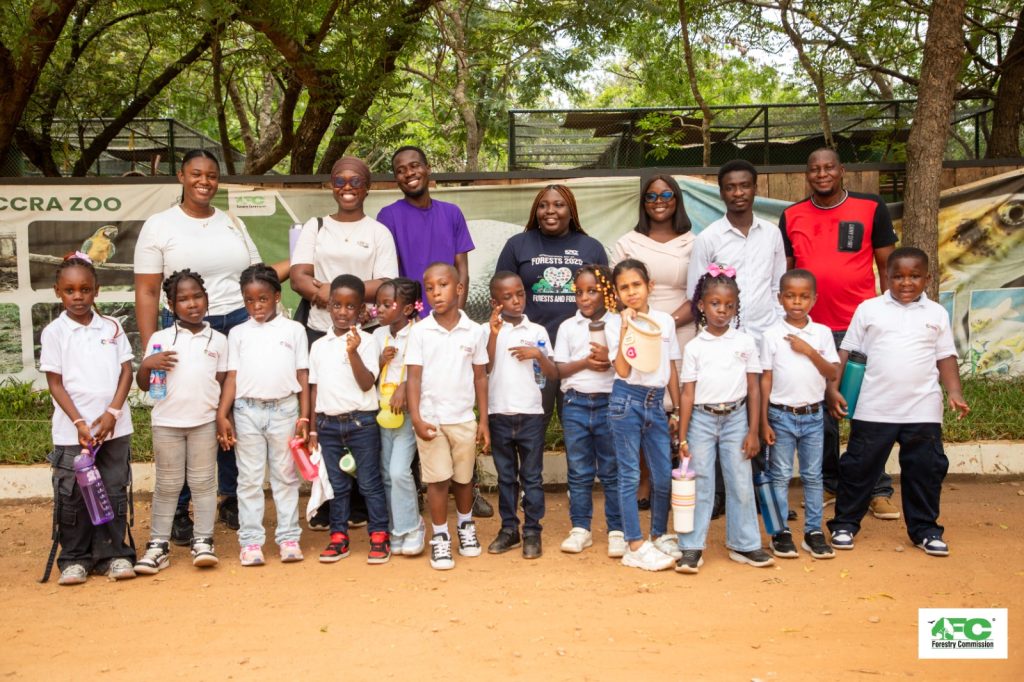
The visit to the Accra Zoo added an element of excitement and discovery. The pupils encountered a variety of animals and were taught how forests serve as natural habitats for wildlife. The experience helped them draw a clear connection between forest conservation and animal protection. Their enthusiasm was evident as they eagerly identified animals and shared observations with their teachers and tour guides.
The educational visit combined classroom learning with practical exposure, leaving the pupils with lasting memories and a foundational appreciation for environmental responsibility.