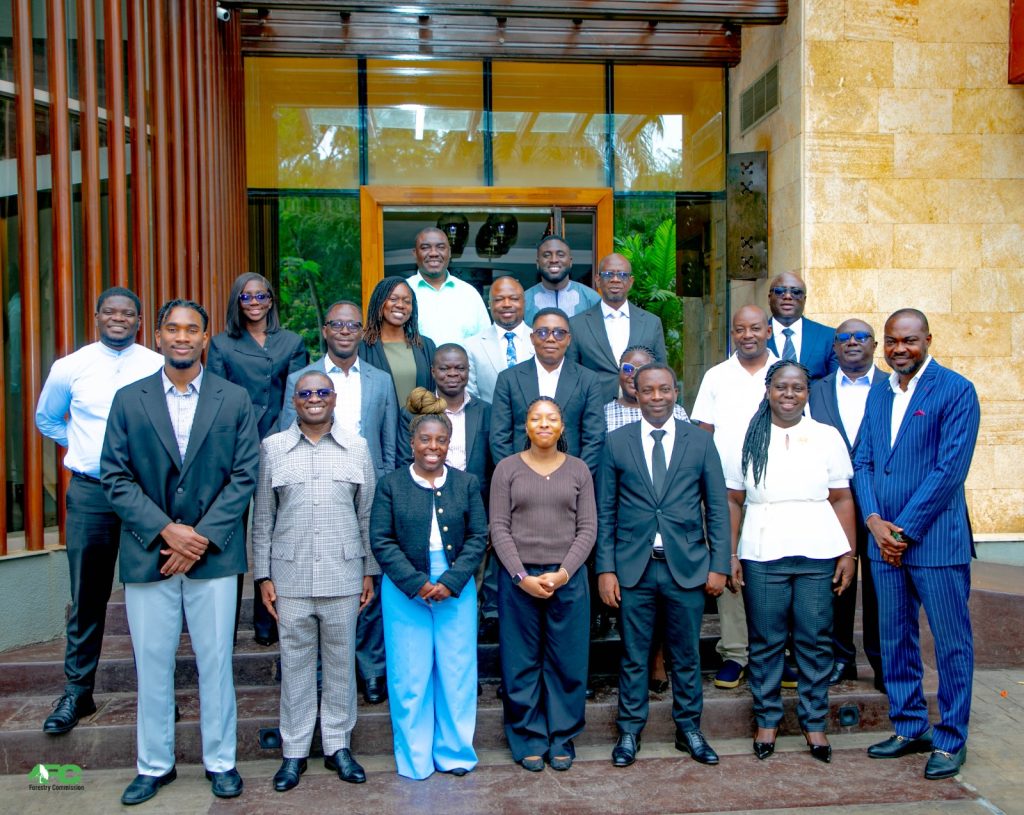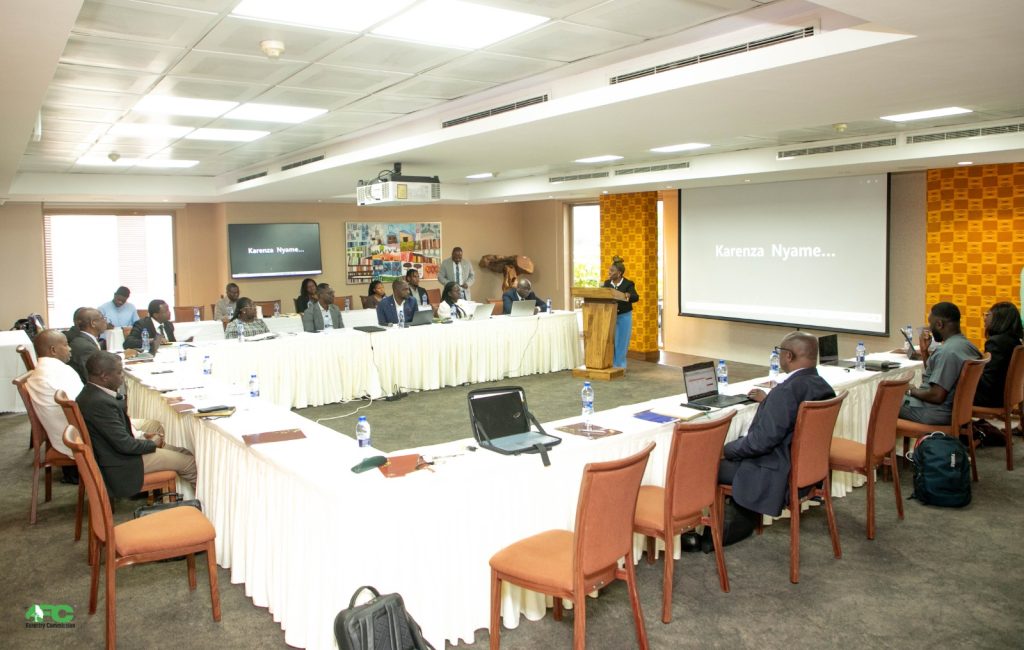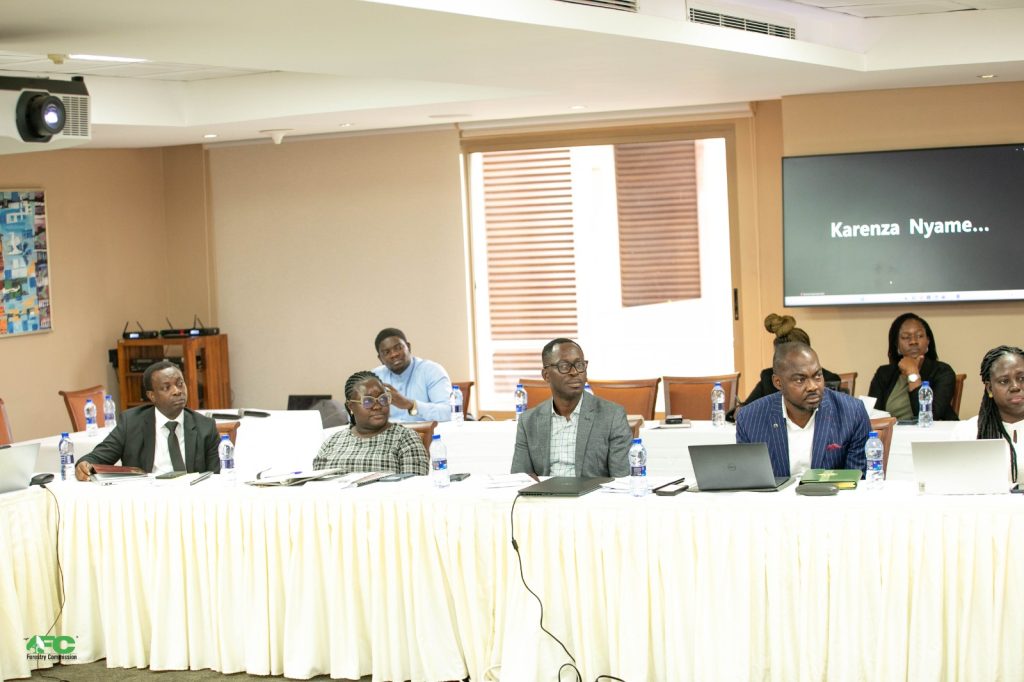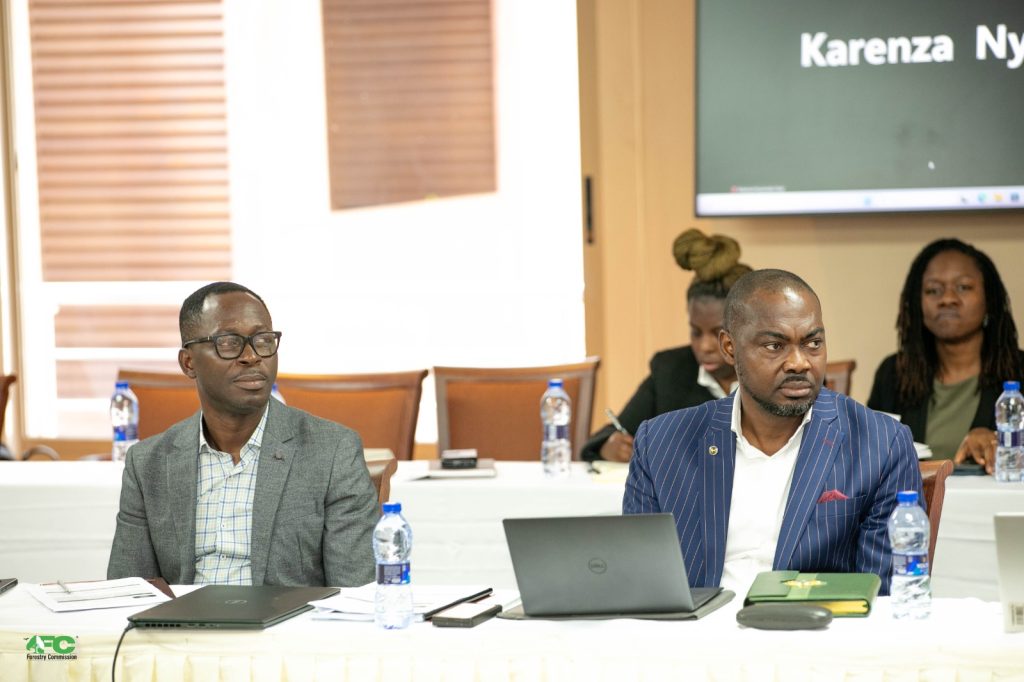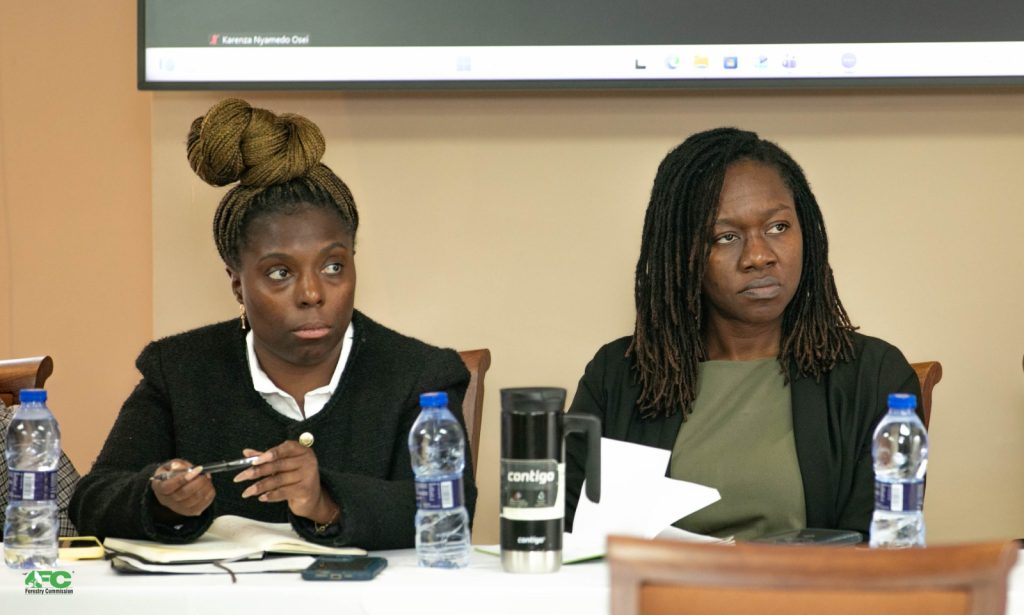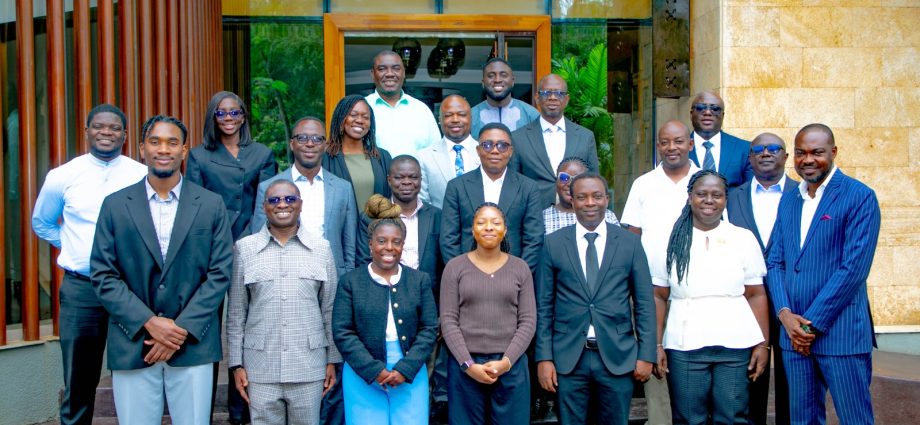
The Ministry of Justice and Attorney General’s Department, in collaboration with the United States Forest Service (USFS) and the Forestry Commission (FC), have organised a rigorous four-day capacity-building workshop aimed at equipping FC lawyers to effectively prosecute forest and wildlife offences.
The training, which focused on addressing critical prosecution gaps, was facilitated by Principal State Attorney, Rev. Joshua Sackey and Chief State Attorney, Madam Stella Ohene-Appiah from the Office of the Attorney General. The sessions were moderated by Mr. Michael Akowuah Esq., Manager of Legal Affairs, FC Legal Department.
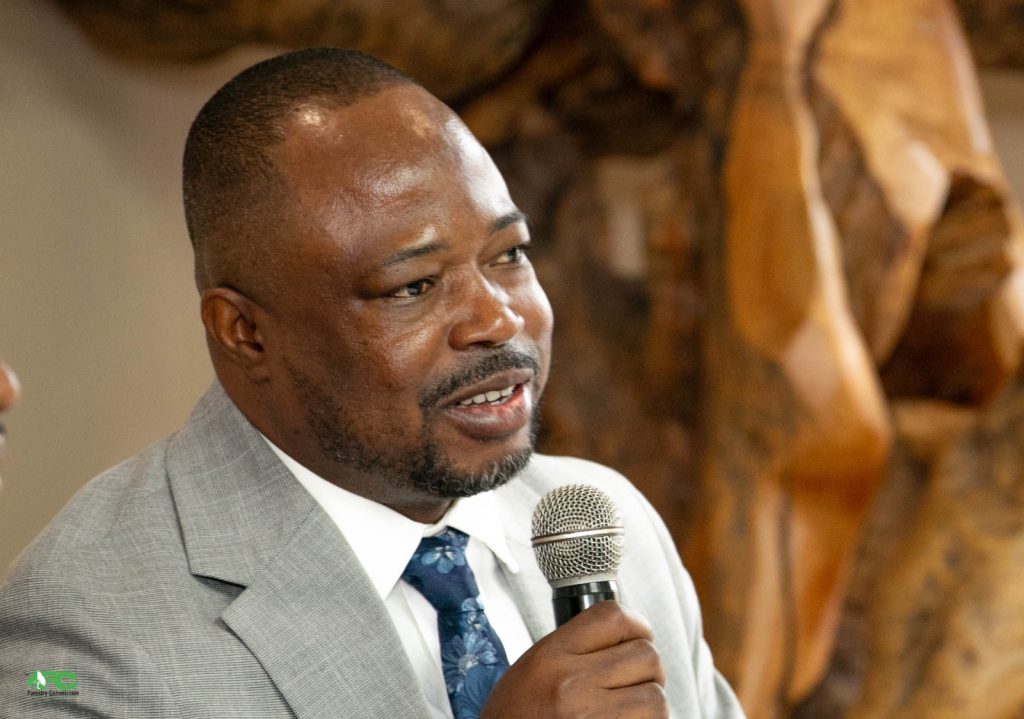
In his introductory remarks, Mr. Dennis Osei Hwere Esq., Director, Legal Department, FC, mentioned that the prosecution training was a key component of the USFS’s 2026 collaborative framework. He noted that the Forestry Commission actively engaged the USFS to train its legal team to spearhead specific prosecutions regarding forest and wildlife offenses. Mr. Hwere expressed profound gratitude to the Minister of Justice and Attorney General for graciously facilitating the training through their team after due consultation, and thanked the USFS for its continuous financial and strategic support in enhancing Ghana’s forest governance.
Delivering remarks on behalf of Madam Yvonne Obuobisa Atakora, the Director of Public Prosecution, Chief State Attorney, Madam Stella Ohene-Appiah noted that the Attorney General’s Office highly appreciates the FC’s dedication to mastering public prosecution and understanding field realities. She encouraged an interactive atmosphere of experience-driven information sharing.
Dr. Richard Gyimah, Executive Director, Timber Industry Development Division (TIDD), delivered the opening address on behalf of the Chief Executive, FC, Dr. Hugh C.A. Brown. Dr. Gyimah provided critical historical context, noting that prior to 2012, the prosecution of forestry crimes was handled exclusively by the police, a system fraught with systemic bottlenecks. To resolve these challenges, a 2013 collaboration between the FC and the Attorney General’s Department led to the commissioning of twenty-eight selected FC staff as public prosecutors under Executive Instrument (E.I.) 4 of 1976, approved by the then Minister of Justice, Hon. Benjamin Kumbuor.
Dr. Gyimah emphasised that this new advanced training is necessitated by the rise of the “illegal mining syndrome,” which demands swifter, more aggressive prosecution. On behalf of the Commission, he appealed to the Ministry of Justice and Attorney General to issue a nationwide circular ensuring that FC lawyers receive the necessary recognition, mentorship, and cooperation from police prosecutors and state offices. He pledged that the newly trained prosecutors would actively participate in future AG refresher courses to maintain peak professionalism.
Representing the US Embassy, Justine King, Regional Deputy Director for Environment, Science, Technology, and Health, highlighted the strategic importance of the workshop. “Illegal logging and illicit trade represent the largest resource crimes on the planet by volume and value,” King stated, warning that they pose a direct threat to Ghana’s national security and economic resilience. She noted that the training directly bridges the gap between the detection of an offense and its successful prosecution. “We require successful prosecutions that raise the cost of environmental crimes. Let us demonstrate that the rule of law extends from Ghana’s forests to its courts”, she concluded.
The instructional phase opened with a presentation by Rev. Joshua Sackey on the Ghana Code for Prosecutors and responsibilities under fiat – the official authorisation granted by the Attorney General allowing an institution to prosecute on behalf of the Republic.
Rev. Sackey outlined the statutory roadmap from investigation to the final decision to prosecute. He urged the lawyers to collaborate closely with police investigators on evidential requirements, disclosure management, and investigative strategies. He reminded participants that their authority is bound by Executive Instrument (E.I.) 4, and that cases falling outside this scope must be promptly forwarded to the Attorney General or police.
Madam Stella Ohene-Appiah followed with a session on managing criminal justice stakeholders; including judges, police officers, defense attorneys, and witnesses. She underscored the necessity of professional courtesy, punctuality, and preparedness. Transitioning to case docket reviews, Madam Ohene-Appiah shared industry best practices, emphasising that prosecutors must meticulously review dockets from “cover to cover” to properly evaluate anticipated offenses and identify any hidden charges.
The first day of the workshop featured highly interactive question-and-answer segments that solidified participants’ understanding of the training.
The day concluded with a closing address by Mr. Dennis Osei Hwere Esq., who admitted that the depth of the training highlighted just how much vital work lies ahead for the FC Legal Department. He commended Dr. Marshall Adams, Technical Advisor, Ghana Anti-Timber Trafficking Bureau, for flawlessly coordinating the program from its inception. Reaffirming the Forestry Commission’s commitment to environmental justice, Mr. Osei Hwere concluded, “As lawyers of the FC, we pledge to do whatever it takes to attain and maintain the high standards expected of us as public prosecutors, and we hold ourselves fully accountable to the Attorney General’s Office. Together, we will change the narrative and achieve true sanity in our ecosystem.”